
How to Create Liability Accounts in QuickBooks Online
Thursday, May 28 2026
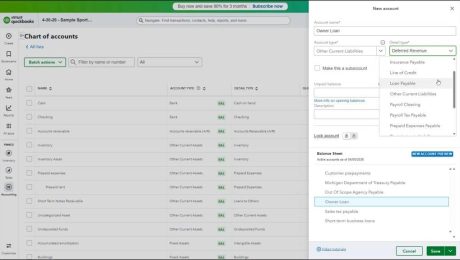
How to Create Liability Accounts in QuickBooks Online: Video This video lesson, titled “How to Create Liability Accounts in QuickBooks Online,” shows you how to create liability accounts in QuickBooks Online. This video lesson is from our complete QuickBooks Online tutorial, titled “Mastering QuickBooks Online Made Easy.” Overview: How to Create a Liability Account
- Published in Latest, Quickbooks Online
No Comments
Asset and Liability Accounts in QuickBooks Online
Thursday, May 21 2026
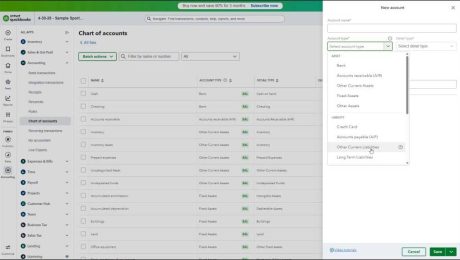
Learn about Asset and Liability Accounts in QuickBooks Online: Video This video lesson, titled “Learn about Assets and Liabilities in QuickBooks Online,” shows you the different general account types available when you create asset and liability accounts in QuickBooks Online. This video lesson is from our complete QuickBooks Online tutorial, titled “Mastering QuickBooks Online
- Published in Latest, Quickbooks Online
Managerial Accounting- What is a Balance Sheet?
Tuesday, July 02 2013

In accounting, it’s important to understand the different types of financial statements in order to be able to use them properly. The first important financial statement is the balance sheet. A balance sheet is an accounting tool that shows a company’s financial position at a certain point in time. In this post, we will discuss some
- Published in Latest, Small Business Accounting
Small Business Accounting- Debits and Credits
Thursday, June 20 2013

In accounting, T-accounts are used to track economic activity within the business. A T-account is an individual record of an increase/decrease in an asset, liability, stockholder’s equity, revenue, or expense. Each T-account consists of three parts: the title of the account, a debit, and a credit. A debit is the left side of the account.
- Published in Latest, Small Business Accounting
Small Business Accounting- Unearned Revenue
Monday, June 17 2013

In small business accounting, some concepts can be trickier than simply recording assets, liabilities, and transactions. Some companies receive advances in payments before actual services are performed. In accounting, this is called Unearned Revenue. Unearned revenue must be reported in order for companies to comply with GAAP* principles. When the company receives an advance, it
- Published in Latest, Small Business Accounting


